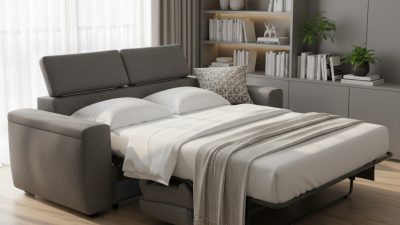
Buying a couch with pull out bed looks simple until the mattress arrives and blocks half the room. A stylish frame cannot compensate for poor support, difficult operation, or weak fabric. The right choice must work as both everyday seating and a dependable sleeping space.
This guide shares seven practical tips for comparing sizes, mattress types, opening systems, frame strength, upholstery, and long-term comfort. Measure doorways, stair turns, and the fully opened bed area before shopping. A sofa may fit your living room but fail at the entrance. Small details matter. Check the seat depth, sleeper weight, storage clearance, and warranty terms. These details often separate a useful guest bed from an expensive inconvenience.
Comfort deserves careful attention. Sit on the couch for several minutes, then test the mattress if a showroom allows it. Look for even support, firm edges, smooth hinges, and a mechanism that does not require excessive force. Online reviews can reveal repeated problems, but they should not replace direct inspection. Ratings are helpful, not perfect. One overlooked issue is sleeping height; a low mattress may feel uncomfortable for older guests or anyone with limited mobility. Personal needs also change, so a design that suits a weekend guest may disappoint nightly users. Use these tips as a practical starting point, while leaving room to question attractive features that seem too good to be true.
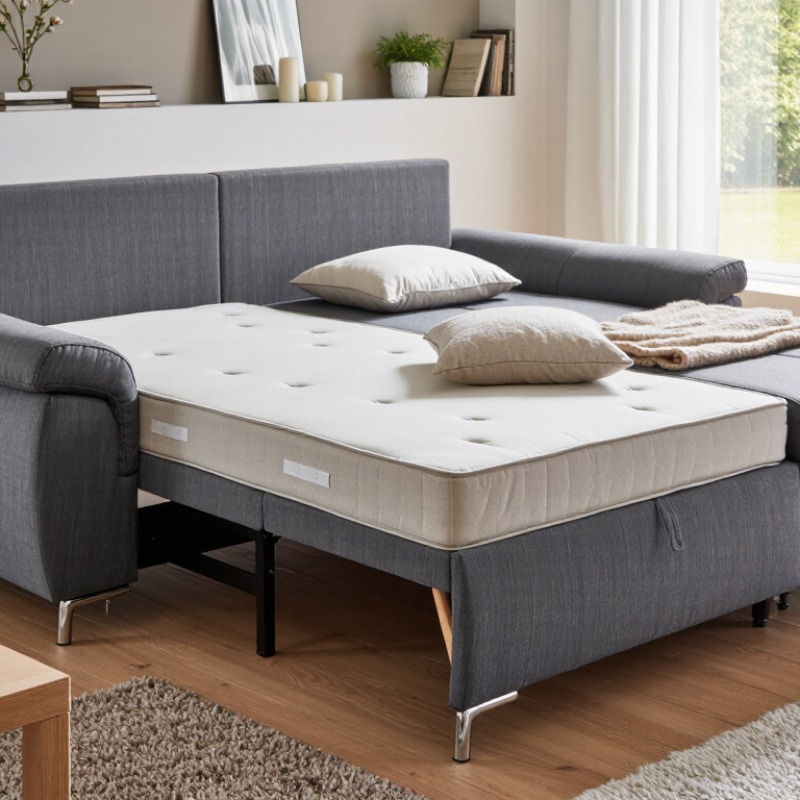
Define your sleeping and seating needs before comparing fabrics or frame styles. Will someone sleep on it every night, or only during occasional visits? A nightly sleeper needs a supportive mattress, steady frame, and simple opening mechanism. A weekend guest may accept a thinner mattress, but comfort still matters. Measure the sleeper’s height before shopping. A short bed can feel restrictive, even in a roomy lounge.
For seating, notice how your household actually uses the couch. Deep cushions may suit relaxed lounging, but they can make upright reading uncomfortable. Measure seat height, depth, and armrest width with a tape measure. Leave enough space for walking around the opened bed. Doorways, stair turns, and cabinet edges deserve attention too. I once focused on the sofa’s closed size and forgot the clearance needed beside it. That mistake changed the entire room layout.
Try both positions in person when possible. Sit for ten minutes, then open and close the bed without help. Listen for grinding sounds and check whether the mechanism feels balanced. A practical test reveals problems that photographs hide. For frequent sleep, compare mattress thickness, coil support, and sleeping width carefully. For occasional use, prioritize easy storage and comfortable seating. Be honest about your routine. A beautiful sleeper that stays difficult to open may become expensive furniture nobody uses.
Before buying a couch with a pull-out bed, measure the room, doorway, hallway, and elevator. Measure twice. The National Association of Home Builders reported a median new-home size of 2,411 square feet in 2023, based on U.S. Census data. That figure does not guarantee a spacious living room. Walls, windows, radiators, and traffic paths consume usable space. Record the sofa’s closed width, depth, and height. Then measure its fully opened bed position. Add at least 24 inches of walking clearance where possible. A 2024 professional ergonomics review from Cornell University recommends keeping primary walkways near 30 to 36 inches for comfortable movement. Your room may need compromise.
Use painter’s tape to mark the sofa footprint and the mattress extension on the floor. Walk around it with a basket or coffee table in hand. Real life is messier. Check the ceiling height near the delivery route, especially in stairwells. Confirm the narrowest doorway measurement, not the widest one. Also inspect whether doors can open after the bed is extended. The American Home Furnishings Alliance advises consumers to verify product dimensions, access routes, and room fit before delivery. Ask for the frame, mattress, and armrest dimensions separately. Online measurements can be incomplete. I once trusted the listed depth alone; the sleeper mechanism blocked a cabinet. That mistake was avoidable. Leave several inches for baseboards and uneven walls, because perfect measurements rarely exist in older homes.
| Tip | What to Measure or Check | Recommended Space or Standard | Why It Matters | Practical Action |
|---|---|---|---|---|
| 1 | Measure the room footprint | Length × width of the available area | The sofa bed needs enough room for both its closed sofa position and fully opened bed position. | Mark the sofa and sleeping positions on the floor with painter’s tape before purchasing. |
| 2 | Check the pull-out bed clearance | Allow approximately 75–90 in (190–229 cm) from the back of the couch to the front edge of the opened bed | A typical full-size sleeper can extend about 80–90 in (203–229 cm) into the room when opened. | Keep the planned clearance free from coffee tables, ottomans, cabinets, and floor lamps. |
| 3 | Measure doorways and hallways | Record the narrowest opening, turning area, and ceiling height | A couch that fits the room may still be impossible to deliver through a narrow doorway or tight corner. | Measure the clear opening with the door fully open, including hallway width and stair turns. |
| 4 | Confirm the sofa dimensions when closed | Common sofa-bed width: 75–90 in (191–229 cm); depth: about 35–40 in (89–102 cm) | The closed sofa must leave sufficient walking space and should not block windows, vents, or doors. | Maintain a comfortable passage of at least 30–36 in (76–91 cm) in main walkways where possible. |
| 5 | Identify the mattress size | Twin: about 38 × 75 in; Full: about 54 × 75 in; Queen: about 60 × 80 in | The mattress size affects both sleeping comfort and the amount of floor space required when extended. | Compare the mattress dimensions with the taped floor outline, not just the listed sofa dimensions. |
| 6 | Check vertical and overhead space | Measure ceiling height, window clearance, shelving, and overhead fixtures | Back cushions, adjustable headrests, or raised bedding may interfere with low shelves, windows, or ceiling lights. | Leave enough room to operate the mechanism safely without striking nearby furniture or fixtures. |
| 7 | Plan furniture removal and access | Provide a clear route at least as wide as the package’s narrowest dimension | Existing furniture, rugs, railings, and sharp turns can reduce the usable delivery path. | Remove obstacles, protect flooring, and verify the delivery route before placing the order. |
A pull-out couch should be judged as both seating and sleeping furniture. Start by comparing mattress types, not fabric colors. Innerspring mattresses feel cooler and more familiar, but their coils may create pressure points. Memory foam offers closer body support and less motion transfer. However, it can sleep warm and feel too soft for some users. Hybrid mattresses balance springs and foam, though they usually add weight and cost. Lie on each option for at least ten minutes. Short tests can mislead.
Frame design affects comfort, safety, and service life. Look for a smooth opening mechanism with no sharp edges or sudden drops. Steel frames often provide strong support, while reinforced wood can feel quieter and warmer. Check whether the legs remain stable when the bed is fully extended. Measure the room twice, including walking space around the mattress. A thick mattress may improve comfort, but it must fit the frame without bending.
I once chose softness over support, and my back noticed within a week. That mistake still influences my advice.
Also inspect the mattress seam, frame joints, and underside fabric. Squeaks matter. Ask about weight limits and replacement parts before paying. Firm cushions, breathable covers, and a level sleeping surface usually matter more than decorative details. Real comfort depends on your body, room temperature, and how often guests stay.
A pull-out couch must survive two jobs: sitting and sleeping. Start with the upholstery, not the color. Feel the weave. ACT Upholstery Performance Guidelines commonly recommend at least 15,000 double rubs for low-traffic residential use and 30,000 for heavier use. These figures come from the Wyzenbeek abrasion method referenced by ASTM D4157. They indicate resistance, not a guaranteed lifespan.
Ask for the fabric’s cleaning code before purchasing. W means water-based cleaning, S indicates solvent-based products, and WS permits both. X usually restricts cleaning to vacuuming or light brushing. Follow the manufacturer’s instructions and test hidden areas first. The ANSI/IICRC S300 standard emphasizes controlled methods, suitable chemistry, and careful drying for upholstery cleaning. A pale, tightly woven fabric may handle crumbs better than a loose, dark one. I once underestimated pet hair.
Inspect the areas people touch most: armrests, seat edges, zipper seams, and the fold above the pull-out frame. Rub the fabric gently and check for loose threads or early pilling. Open the bed several times; rough movement can scrape upholstery and trap dust inside the mechanism. A removable, machine-washable cover sounds convenient, but repeated washing may shrink it or dull its color. Ask about replacement covers, stain resistance, and colorfastness testing. The most attractive fabric is not always the most forgiving.
Buying a couch with a pull-out bed requires more than checking its fabric and comfort. I once measured only the room, not the hallway. Delivery became difficult when the packaged frame could not turn at the stair landing. Measure doorways, elevators, corners, and the space beside the sofa. Ask whether delivery includes room placement, assembly, packaging removal, and an extra-floor fee.
Confirm the delivery window in writing. “Ships soon” is not a useful promise. Ask who handles damage claims and what happens if the sleeper arrives with torn fabric or a bent mechanism. Photograph the box before opening it. Keep the receipt, delivery record, and inspection notes. Small details matter.
Read the warranty before paying. Check coverage for the frame, mattress, springs, hinges, and upholstery. Some warranties exclude commercial use or require proof of proper assembly. Also ask who pays return shipping. That cost can be surprisingly high. A low couch price may hide delivery, assembly, protection-plan, disposal, and return charges. Add every fee to the advertised price. Then compare the final number with similar sleepers.
Test the mechanism in person if possible. It should open smoothly without scraping the floor. The mattress should not feel like a folded blanket. I nearly ignored a slight frame wobble once. That was a mistake. If buying online, request exact folded and opened dimensions, material details, weight limits, and written service terms before placing the order.
Use this checklist to compare sleeper sofas before placing an order. The chart shows the number of practical checks for each buying area.
How to use it: Confirm the bed size and room clearance, test the opening mechanism, inspect materials, review delivery terms, read the warranty, calculate every extra charge, and check the return policy before buying.