How to Choose the Best Platform Bed Frame for Your Bedroom?
Choosing the right platform bed frame is essential for creating a comfortable bedroom. According to Dr. Emily Thompson, a renowned sleep expert, "A well-selected platform bed frame can significantly impact your sleep quality." A platform bed frame offers a sleek and modern aesthetic while providing strong support for your mattress.
When choosing a platform bed frame, consider factors like material, height, and design. Solid wood frames are durable but may be heavier and more expensive. Metal frames often provide a minimalist look but might lack warmth. Think about the height as well; a low-profile frame can create a cozy atmosphere, while a taller one adds elegance.
Take your time to evaluate options. Don’t rush into a decision. A poorly chosen platform bed frame can lead to discomfort over time. Remember, your bed is a central part of your life. Prioritize factors that matter to you. This choice should enhance your bedroom, not complicate it. Reflect on how different features align with your lifestyle and preferences; every detail matters.
Understanding the Different Types of Platform Bed Frames
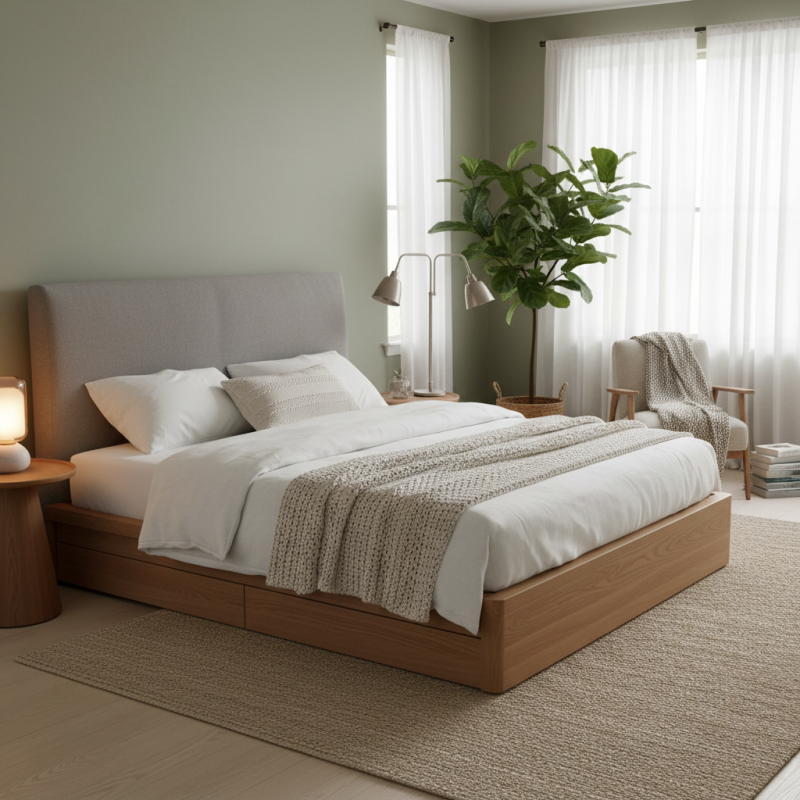
When selecting a platform bed frame, understanding the various types is crucial. Platform beds come in several designs, each offering unique features. For example, slatted platform beds provide excellent ventilation. They allow air circulation, which is essential for mattress longevity. A report from the Sleep Foundation states that proper ventilation can help maintain a healthier sleep environment.
Solid platform beds are another popular choice. They offer robust support and stability. Many customers appreciate their modern aesthetic. However, some may find these frames less forgiving if they have a firmer mattress. This can impact sleep quality, especially for those who prefer a softer feel. Research indicates that mattress support can significantly affect sleep patterns.
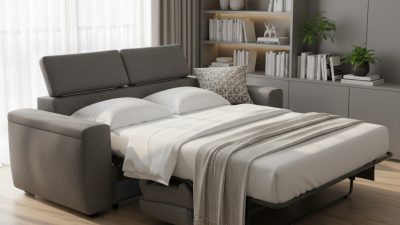
Adjustable platform beds cater to individual preferences. They allow users to change positions easily. While these frames are versatile, they can be more expensive and might require additional assembly. It's essential to weigh these factors against personal needs. The right choice largely depends on lifestyle and sleep habits. Each type of platform bed frame has its pros and cons, making it vital to assess thoroughly before purchase.
Assessing Your Bedroom Space and Size Requirements
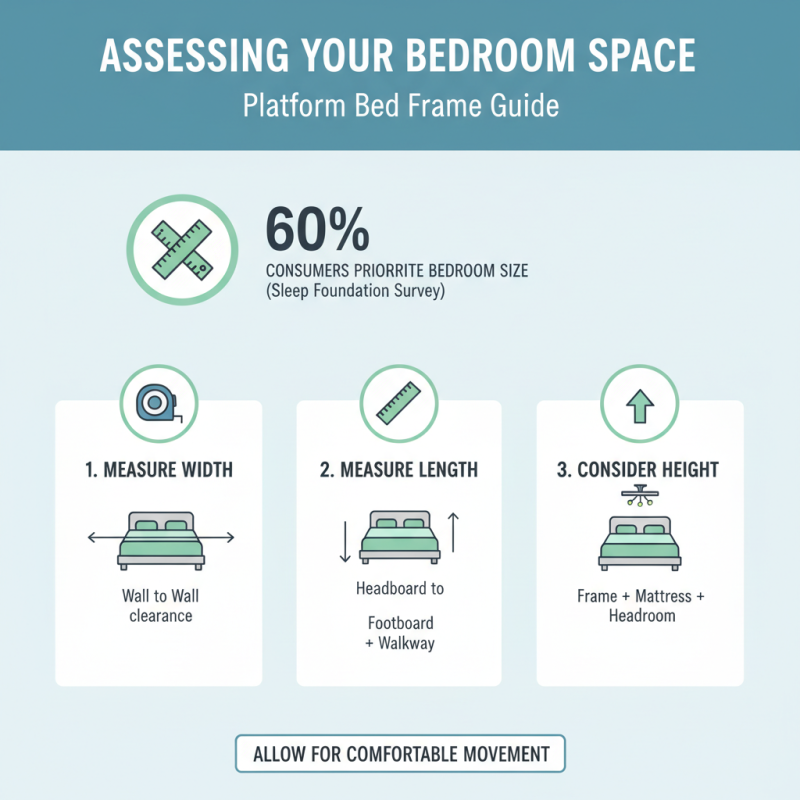
Choosing the right platform bed frame involves careful consideration of your bedroom space and size requirements. A survey from Sleep Foundation reveals that nearly 60% of consumers prioritize bedroom size when selecting a bed frame. It's essential to measure your available space. This includes width, length, and height, allowing for comfortable movement around the bed.
For example, in a small bedroom, a queen-size frame may feel cramped. A twin or full frame could provide better mobility. Additionally, maintain an allowance of at least 24 inches around the bed for easy access. It's worth noting that a larger frame can dominate a small space, making it feel even smaller.
Consider the ceiling height too. According to the American Society of Interior Designers, low ceilings can be challenging with high-profile bed frames, leading to a suffocating feel. On the other hand, if your bedroom has ample space, a grand platform bed can become a statement piece. Every bedroom is unique, and the right frame should enhance your personal sanctuary rather than overwhelm it.
Choosing the Right Material for Durability and Aesthetics
Choosing the right material for your platform bed frame is crucial. It impacts both durability and aesthetics.
Wood is a popular choice. Solid hardwood offers great strength and longevity.
It can complement various room styles, from rustic to modern. However, cheaper options like particleboard
may not withstand heavy use. They can warp over time, affecting your bed's stability.
Metal frames can be another option. They are often sleek and contemporary. A well-made metal frame can support significant weight.
Look for high-quality finishes to ensure it remains rust-free. Yet, metal can sometimes creak more than wood.
This may disrupt your sleep.
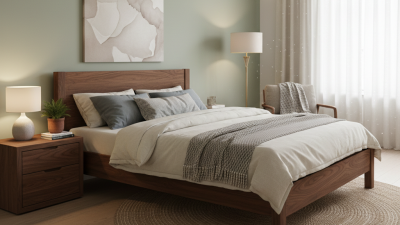
Consider how materials resonate with your space. For instance, a dark wood frame can add warmth to a bright room.
On the other hand, a minimalist metal frame might suit a minimalist aesthetic. Reflect on your needs and preferences.
A balance between style and practicality is essential. Ultimately,
your choice should enhance both comfort and visual appeal.
Evaluating Style and Design Features for Your Décor
Choosing the right platform bed frame involves careful consideration of style and design features. Think about your bedroom's overall theme. Is it modern, rustic, or maybe minimalist? Each style requires different elements. A wooden frame adds warmth and texture. Metal frames, on the other hand, often provide a sleek, contemporary look.
Color is also important. Neutral tones like beige or gray offer versatility. They match various décor styles, making them a safe choice. If you are bold, vibrant colors can create a striking statement. However, these choices might clash with existing items. Take time to visualize how the frame complements your current décor.
Height and proportions matter too. Low-profile beds can create a sense of space. They work well in small rooms. Higher frames can add to a room's grandeur. However, they may be difficult to get into for some people. Reflect on the practicality and aesthetic balance in your space. What looks good isn’t always functional.
Considerations for Mattress Compatibility and Support System
When choosing a platform bed frame, mattress compatibility is key. A solid or slatted surface is typical for such frames. However, not all mattresses work well with every platform type. Memory foam mattresses, for instance, require good support to prevent sagging. Too much space between slats can lead to discomfort. For optimal support, slats should be no more than three inches apart.
The support system of the platform bed also plays a vital role. A sturdy center support can enhance mattress longevity. Many wooden frames provide this feature, while metal frames may not. Regularly checking the frame stability is crucial. Signs of wear might suggest the need for reinforcement. This can be overlooked but is essential for a good night's sleep.
Selecting the right frame involves more than aesthetics. Think practically about how it supports your mattress. Consider your sleeping style too. A firm foundation suits back sleepers. Side sleepers may prefer a frame with more give. Balancing comfort and support can be challenging, but it's worth the effort.
How to Choose the Best Platform Bed Frame for Your Bedroom?