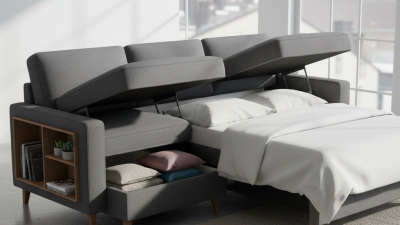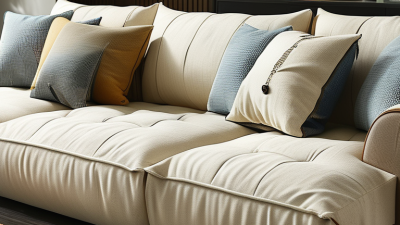
Choosing the best queen sofa bed in 2026 requires more than comparing upholstery, discounts, or showroom photographs. It means testing sleep comfort, sitting support, frame strength, opening space, and everyday usability. Grand View Research valued the global sofa market at approximately USD 61 billion in 2023, while Fortune Business Insights expects continued growth in the broader furniture sector. These reports cover wider categories, not queen sofa bed models alone. That limitation matters.
A practical evaluation should begin with measurements. A queen mattress usually measures about 60 by 80 inches, but the opened frame can extend beyond 90 inches. Measure doorways, wall clearance, and walking space. Then inspect the mattress thickness, coil or foam construction, platform support, hinge movement, and fabric durability. The American Leather Comfort Sleeper is often discussed by furniture professionals because its seat and bed use separate construction principles. Jeff Frank, associated with American Leather, has said, “The key to a great sleeper sofa is making both the sofa and the bed comfortable.” That sounds obvious. It is often ignored.
Reports from the International Sleep Products Association also show why material quality deserves attention, as bedding performance depends on support, pressure relief, and durability. However, laboratory data cannot predict every person’s experience. A firm mattress may suit one guest and disappoint another. Our guide compares verified specifications, hands-on comfort, warranty terms, and customer feedback. We will also question popular assumptions, including the belief that heavier furniture always lasts longer. Sometimes, it only moves badly. A thoughtful queen sofa bed should welcome guests at night and remain genuinely useful during the day.
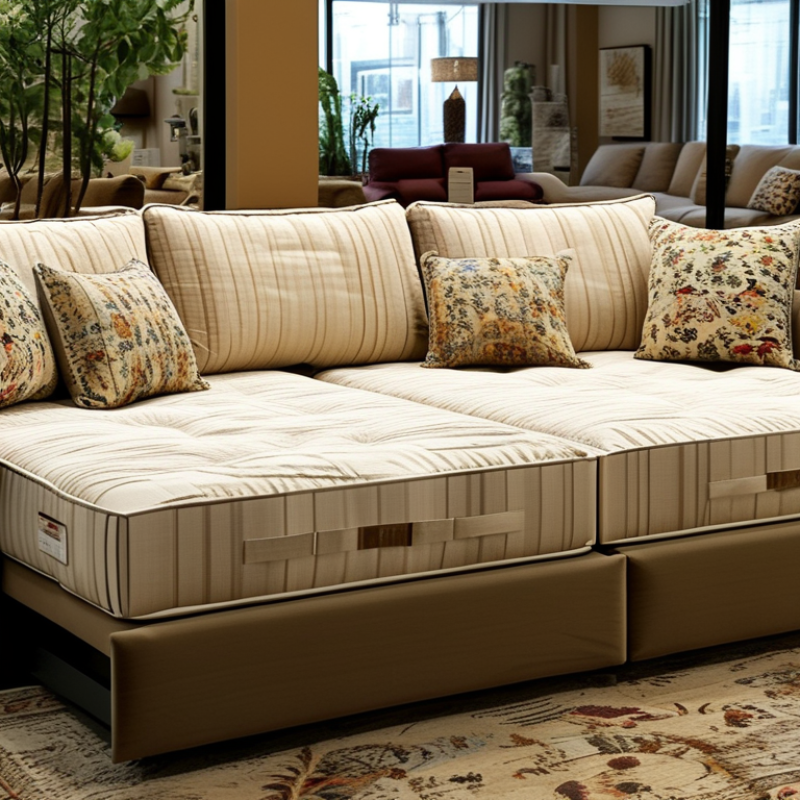
Define the room before comparing sofa beds. Measure the wall, doorway, hallway, and the area needed when the mattress opens. A queen sofa bed may fit the floor plan but block a cabinet or heating vent. Leave at least 24 inches for comfortable walking space where possible. Mark the opened bed with masking tape. It makes the decision more realistic. Check the seat depth, arm width, and back height, because these details affect daily comfort. A sofa that looks compact online can feel oversized in a small apartment.
Sleeping needs should guide the mattress choice. Occasional guests may manage with a thinner mattress and simpler opening mechanism. Frequent sleepers need stronger support, reliable edge stability, and breathable materials. Test the sleeping surface in person if possible. Lie down for several minutes. Short testing helps.
A mattress can feel soft at first but create pressure around the hips later. Consider the users’ heights, sleeping positions, and sensitivity to movement. I once underestimated how much a narrow sleeping surface disturbed two people sharing it.
Sofa bed requirements include fabric durability, removable covers, frame strength, and easy conversion. Open and close the mechanism several times before buying. Listen for scraping, twisting, or sudden drops. Ask about weight limits, care instructions, replacement parts, and warranty coverage. A smooth mechanism matters more than decorative stitching. Still, perfection is unlikely. Some models sacrifice sofa comfort for better sleeping support, so decide which compromise your household can accept. Check delivery access carefully; a queen-size frame may not turn through a tight stairwell.
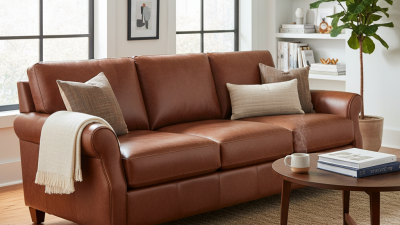
A queen sofa bed must work as both seating and sleeping furniture. Start by comparing its mechanism. A pull-out design offers a familiar sleeping surface, while a click-clack frame folds quickly but may feel firmer. A daybed style saves opening space, yet it usually needs a clear side wall.
According to Grand View Research, the global furniture market reached about $677 billion in 2023, with continued growth expected through 2030. More choices do not guarantee better comfort.
Mattress construction matters more than decorative fabric.
Innerspring models provide airflow and familiar bounce. Memory foam reduces pressure but can retain heat. Hybrid mattresses balance support and cushioning, although their extra weight can strain weaker mechanisms. Measure the unfolded queen bed, not only the sofa. A standard queen mattress is about 60 by 80 inches, but sofa-bed frames may vary.
The International Sleep Products Association’s industry reports consistently emphasize mattress durability and material performance as major buying concerns. Frame quality also deserves attention. Kiln-dried hardwood can resist movement, while thin metal tubing may flex under repeated use.
I would not trust a smooth showroom fold alone. Repeated testing is wiser.
Tips: Lie flat for ten minutes. Check hip and shoulder pressure. Open the bed several times. Inspect the center support. Leave at least 24 inches for walking space. A perfect choice is unlikely, and my first preference may change after one night’s sleep.
Choosing the best queen sofa bed in 2026 requires more than comparing fabrics and prices. Comfort begins with the mattress, seat depth, and sleeping surface. Lie on it for at least ten minutes, if possible. Notice pressure around your hips and shoulders. A mattress that feels luxurious for two minutes may feel hard overnight.
Support matters during sitting and sleeping. Check whether the frame stays stable when you shift position. Open the bed and inspect the center support, hinges, and leg alignment. The mattress should not sag between metal bars. I once focused too much on cushion softness and ignored weak edge support. That was a costly mistake. Firmness is not automatically better.
Tips: Measure doorways, stair turns, and the room before ordering. Test the conversion mechanism several times. It should open smoothly without pinched fingers or sudden drops. Check whether one person can convert it safely. Look for removable, washable covers and tightly stitched seams. These details affect durability more than appearance alone.
A reliable sofa bed should return to sofa mode without forcing the cushions. Listen for grinding, rattling, or uneven movement. Small noises can reveal poor alignment. Ask about the frame material, mattress density, weight capacity, and repair coverage. Avoid judging durability from showroom polish. Daily use is less forgiving. A slightly imperfect-looking sofa with solid construction may serve better than a beautiful model that feels unstable.
Choosing the best queen sofa bed in 2026 starts with accurate measurements, not attractive photographs. Measure the sofa length, depth, and height, then check the opened bed size. Leave at least 60 centimeters around walking areas. Doorways and stair turns matter too. My first measurement was wrong because I ignored the door frame.
Room compatibility depends on more than floor space. A low-profile sofa bed can suit a compact apartment, while a deeper model may overwhelm a narrow living room. Check nearby windows, heating vents, and power outlets. Sit on the sofa before buying, if possible. The seat should feel supportive, not strangely soft. A firm mattress usually helps regular guests sleep better, but comfort preferences vary.
Materials affect comfort, durability, and maintenance. Look for a sturdy frame, evenly stitched upholstery, and a mattress that folds without sharp pressure points. Tightly woven fabric can handle frequent use, while removable covers make spills easier to manage. Leather-like surfaces wipe clean but may feel cold in winter. Read the care instructions carefully. Vacuum seams monthly, rotate cushions, and treat stains quickly with a suitable cleaner.
Tips: Measure twice. Mark the opened bed on the floor with tape. Test the mechanism several times. Check whether sheets stay secure. Do not trust a showroom alone; your room may expose problems later. A small flaw might become irritating, and I sometimes underestimate that risk.
Use these practical planning dimensions to evaluate mattress size, sofa footprint, and room compatibility before buying a queen sofa bed.
A standard queen mattress is 60 × 80 inches. The room-planning values assume approximately 24 inches of walking space on both sides and at the front of the opened bed: 108 inches of minimum room width and 128 inches of minimum room length. Sofa width and depth are typical planning ranges and may vary by construction, upholstery, and mechanism.
A queen sofa bed should serve two roles without failing at either. Compare the total cost, not only the sale price. A low-cost frame may develop noise, weak joints, or uneven sleeping support. Check the mattress thickness, seat foam density, frame material, and weight capacity.
The 2024 Consumer Returns in Retail Report from NRF and Appriss Retail reported that 16.5% of U.S. retail sales were returned in 2023. Return fees and difficult pickup policies can quickly erase a discount.
Warranty terms reveal the manufacturer’s confidence. Look for at least a clear frame warranty, documented coverage for mechanisms, and a separate mattress policy. Read exclusions carefully. Fabric stains, normal compression, and improper assembly may not qualify.
Customer reviews are useful, but review patterns matter more than star ratings. Search for repeated comments about delivery damage, metal noise, sagging, and customer-service delays. The Consumer Reports mattress-testing method emphasizes support, durability, and long-term performance, not showroom comfort alone. A sofa bed still deserves that practical mindset.
Tips:
Measure doorways, stairs, and the open bed area before ordering. Ask for replacement-part availability in writing. Save the warranty and assembly photos. Sit for ten minutes. Sleep on the decision.
I would also leave room for doubt: a strong review today cannot prove five years of durability. Choose evidence over polished photography, and value over the cheapest invoice.