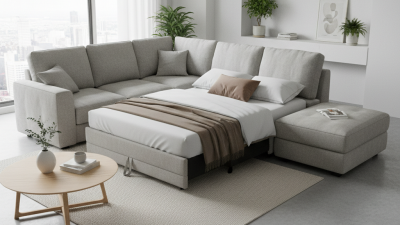
What Is a Convertible Sofa Bed and How Does It Work?
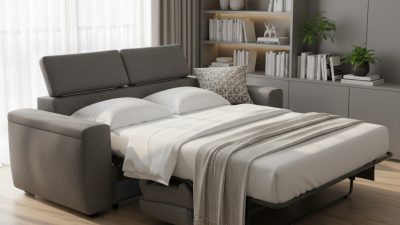
A convertible sofa bed is a practical piece of furniture with two everyday roles. It works as a comfortable sofa during the day and changes into a sleeping surface at night. Its frame, hinges, cushions, and mattress support this transformation. Depending on the design, the back may fold flat, the seat may pull forward, or a hidden mattress may unfold from inside the frame.
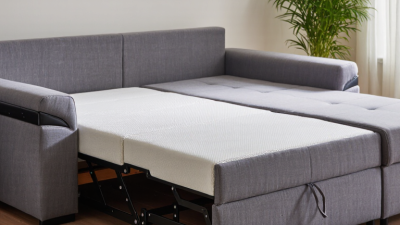
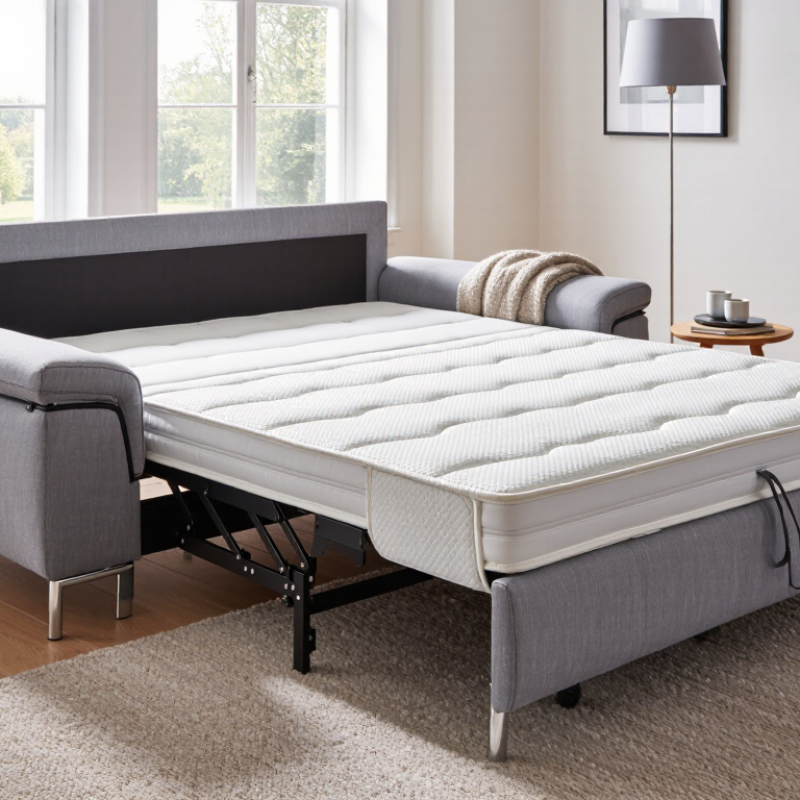
Understanding the mechanism helps you choose the right model. A pull-out version usually includes a folded mattress beneath the cushions. A click-clack design lowers the backrest until it becomes level with the seat. Some models use metal frames, while others rely on reinforced wood and flexible joints. Each system feels different under the body. A firm mattress may support regular guests better, while thicker cushions can feel softer for lounging.
Room measurements matter. Leave enough space for the bed to open fully, including walking clearance beside it. Check the mattress size, weight limit, upholstery, and frame construction before buying. A sofa that looks compact may need considerable floor space when extended. It may also feel different after months of use.
No design is perfect. Some mechanisms operate smoothly but provide thinner sleeping surfaces. Others offer better support but feel heavier to convert. This guide explains how a convertible sofa bed works, what parts deserve attention, and how to judge comfort, durability, and everyday practicality with greater confidence.
Definition and Core Purpose of a Convertible Sofa Bed
A convertible sofa bed is a piece of furniture that changes from a sofa into a sleeping surface. Its core purpose is to serve two daily needs without requiring a separate couch and bed. During the day, it offers upright seating for reading, conversation, or watching television. At night, its backrest, seat, or hidden mattress folds into a flatter position. Some designs use a pull-out frame, while others recline through a hinged mechanism.
The conversion process should feel controlled, not forced. Clear instructions help prevent pinched fingers and uneven movement. A well-designed model usually supports the body with a stable frame and a mattress or cushioned sleeping layer. Measure the open length before placing it near a wall. You need enough floor space to unfold it fully. Small rooms need care.
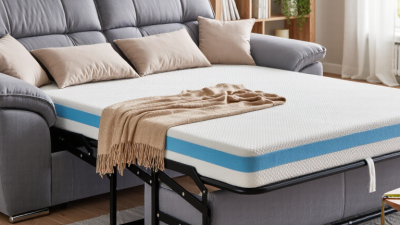
Comfort varies. A thick cushion may feel pleasant for sitting but too soft for sleeping. A firm mattress can support the back better, though it may feel less welcoming during movie nights. The sleeping surface can also develop a center gap or pressure point. That detail is easy to miss in a showroom. Sheets may slide during conversion, too. The most useful choice depends on frequency of use, available space, body support needs, and how quickly the furniture must change functions.
Main Components and Convertible Design
What Is a Convertible Sofa Bed and How Does It Work?
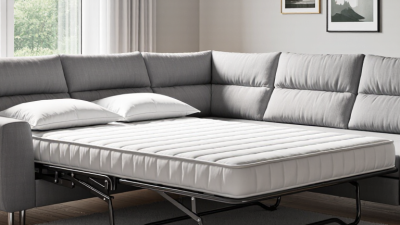
A convertible sofa bed combines everyday seating with a sleeping surface. Its main components include a sturdy frame, seat cushions, back cushions, hinges, and a folding or sliding mechanism. Some models use a metal support grid, while others rely on wooden slats beneath the mattress. The frame carries most of the weight. The cushions provide comfort, but they also need firm edges for proper alignment. From practical use, uneven hinges often cause rattling or difficult movement. Small defects matter.
The convertible design determines how the sofa changes position. A click-clack mechanism allows the backrest to fold backward. A pull-out design stores a mattress beneath the seat and extends it forward. A split-back design lets users adjust sections independently. Each system needs clear floor space and stable locking points. When opened, the sleeping surface should remain level, without a sharp gap between sections. Check the joints regularly. Dust and loose screws can affect smooth operation. The ideal design balances simple movement, dependable support, and comfortable daily seating. That balance is not always perfect.
Tips: Measure the room before choosing a sofa bed. Leave space for walking around the open frame. Test the mechanism several times in a store or showroom. Inspect the hinges, support bars, and underside fabric. A thin mattress may fold easily, but it can feel firm after several hours. A mattress topper may improve comfort, though it requires extra storage.
How a Convertible Sofa Bed Changes Into a Sleeping Surface
A convertible sofa bed uses a frame that changes position, allowing one piece of furniture to serve two purposes. In sofa mode, the cushions support upright sitting. In bed mode, the frame extends, unfolds, or reclines into a flatter sleeping surface. The most common designs use a pull-out platform, a click-clack backrest, or a lift-and-fold mechanism. Each system works differently.
A pull-out model usually hides a folded mattress beneath the seat. When you remove the cushions and pull the handle, the platform rolls forward on supports. The backrest may then fold down, creating a longer surface. A click-clack model uses hinged joints. You push the backrest backward until it locks flat. Simple, but not always effortless. Lift-and-fold designs raise the seat, open the frame, and place cushions across the base. The gaps can matter.
Grand View Research valued the global furniture market at approximately $516.66 billion in 2022 and projects a 5.2% annual growth rate through 2030. This growth reflects stronger interest in flexible furniture for smaller homes. Statista also identifies space-saving furniture as an expanding category within modern home furnishing demand. However, a sofa bed is not automatically comfortable. The sleeping surface depends on cushion density, frame stability, joint alignment, and mattress thickness. After testing one, check for a ridge beneath your back. It may look minor, yet repeated pressure can affect sleep quality.