2026 Best Sleeper Sofa with Chaise for Small Spaces?
Choosing the best sleeper sofa with chaise for a small space requires more than measuring one wall. It demands careful attention to daily movement, sleeping comfort, storage, and delivery access. Eurostat reported that nearly 30% of European Union households were occupied by one person in 2023. The U.S. Census Bureau’s 2023 American Community Survey also showed that one-person households represented almost three in ten U.S. households. These figures support a practical shift toward furniture that serves several purposes without overwhelming a room.
The 2024 Sofa Market report from Grand View Research highlights continuing interest in compact, modular, and multifunctional seating. However, market trends cannot replace hands-on testing. A chaise may provide valuable leg support, yet it can block a narrow walkway. A pull-out bed may look convenient, but its opened length often exceeds the product listing’s most visible dimensions. Measure the sofa, mattress, doorways, stair turns, and clearance around tables. Small details matter.
This guide evaluates 2026 models through a realistic lens. We will compare seat depth, mattress thickness, frame construction, mechanism smoothness, fabric performance, weight, and return policies. We will also consider whether the chaise is reversible or fixed. That choice affects room planning for years. Comfort remains subjective. Firmness ratings are rarely standardized. Even strong reviews can miss a sagging cushion after months of use. That is an important limitation. A well-designed sleeper sofa should support sitting, lounging, and occasional overnight guests without making the room feel crowded. The best choice is not always the smallest model. It is the one that fits your space, habits, and tolerance for compromise.
What Defines a Sleeper Sofa with Chaise for Small Spaces?
2026 Best Sleeper Sofa with Chaise for Small Spaces?
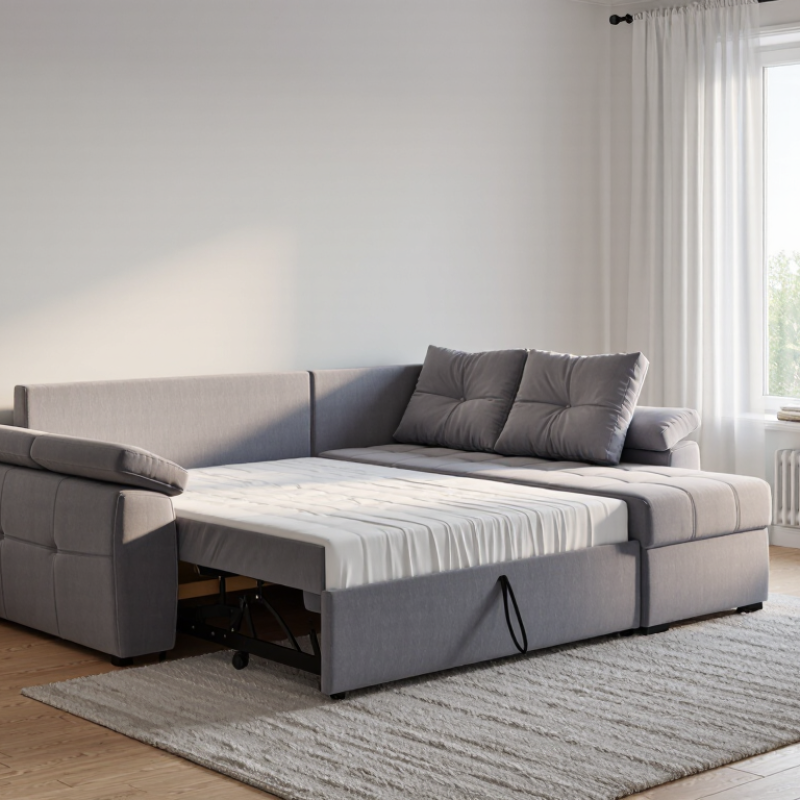
A sleeper sofa with chaise for small spaces is more than a compact couch with a hidden bed. It must combine seating, sleeping, and storage without blocking movement. The chaise should remain narrow enough for a clear walking path, usually about 30 to 36 inches wide. The sofa should also open without striking a coffee table or wall.
The Joint Center for Housing Studies reported in its 2024 State of the Nation’s Housing report that 22.6 million renter households were cost-burdened in 2022. This pressure makes flexible furniture increasingly practical. A small-space sleeper sofa should therefore fit daily routines, not only occasional guests. Look for a closed depth near 35 to 40 inches and a sleeping surface around 54 inches wide. Measure doorways, elevator openings, and turning areas first. Many buyers forget this part.
Comfort still needs careful judgment. The Sleep Foundation recommends seven to nine hours of sleep for most adults, so a thin mattress may disappoint regular users. A supportive foam or hybrid mattress usually performs better than a loose cushion. However, “firm” does not always mean comfortable. I would test the unfolded bed for at least ten minutes. The chaise may feel useful, but it can consume valuable floor space. That trade-off deserves honest reconsideration.
Key Features to Compare in 2026 Sleeper Sofa Designs
2026 Best Sleeper Sofa with Chaise for Small Spaces?
In compact rooms, measurements matter more than appearance. Grand View Research projects the global sofa market to grow at about 5.2% annually through 2030. That growth reflects demand for flexible furniture, but a popular design can still overwhelm a studio. Measure the wall, walking path, door frame, and chaise extension. Leave at least 60 centimeters for comfortable passage. I would not trust a product photo alone.
Key Features to Compare in 2026 Sleeper Sofa Designs
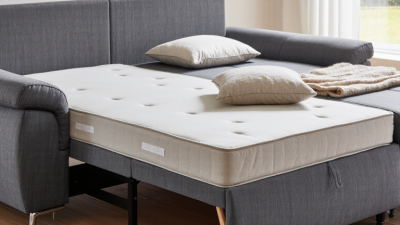
Check the opened bed size, mattress thickness, and support system. A sofa may look generous but sleep poorly. Look for a mattress near 10 centimeters thick, a level sleeping surface, and a mechanism that opens without scraping the floor. The National Sleep Foundation links suitable mattress support with better sleep comfort, although sofa beds rarely match dedicated mattresses. That limitation deserves honesty.
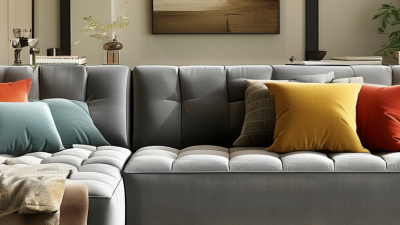
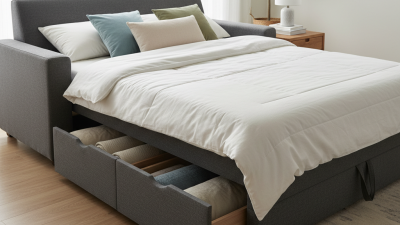
Test the seat depth and chaise firmness in person when possible. Medium-firm cushions usually balance sitting and sleeping better than very soft foam. A storage chaise can hold blankets, but its hinges need smooth operation and safe clearance. Upholstery should resist abrasion and allow easy spot cleaning. Euromonitor International’s 2024 Home and Garden analysis highlights multifunctional furniture as a continuing small-home trend. Still, the most practical feature may be simple: a sofa that one person can open at midnight without force. Check the weight rating, warranty terms, and replacement-part availability before buying.
How to Measure Your Room and Choose the Right Sofa Size
Choosing the 2026 best sleeper sofa with chaise for a small space starts with accurate measurements.
Do not measure only the empty wall. Measure the room’s length, width, ceiling height, and every doorway. Record the narrowest point, including door frames and hallway turns. A sofa may fit the living room but fail at the entrance.
Keep at least 30 inches for a comfortable walking path. Leave about 18 inches between the sofa and a coffee table. Measure the chaise projection, not just the sofa width. Then measure the fully opened sleeper bed. Its mattress may extend several inches beyond the frame. Mark this area on the floor with painter’s tape. It reveals awkward traffic problems quickly. I have underestimated chaise depth before, and the room felt blocked within minutes.
Tips: Check the product’s assembled dimensions, packed dimensions, and clearance requirements. Confirm whether the chaise can face either direction. Measure outlets and nearby radiators too. Choose a compact mattress only if regular guests can sleep comfortably. A shorter sofa is not always better; a narrow arm and efficient cushions may save more space. Recheck your numbers after rearranging furniture. Small errors matter.
How to Place, Use, and Maintain a Sleeper Sofa with Chaise
In a small living room, place the sleeper sofa with chaise against the longest clear wall.
Measure the sofa, chaise, doorways, and stair turns before delivery. Leave about 60–90 centimeters for walking space. Keep the chaise away from a main doorway if possible. A narrow side table can hold a lamp without blocking the sleeper mechanism.
I once ignored the doorway measurement, and the delivery became an expensive lesson.
Use the sofa as a sofa most days.
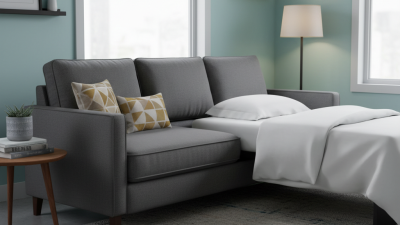
Open the bed only after removing blankets, cushions, and nearby objects. Pull the frame straight, rather than twisting it across the floor. Check that the chaise section stays level and does not press against a wall.
A thin mattress pad can improve comfort, but it may prevent the frame from closing smoothly.
Test the movement slowly. Small rooms punish careless placement.
Maintenance should fit a simple weekly routine.
Vacuum crumbs from the chaise seam and under the seat. Blot spills with a clean, slightly damp cloth. Do not soak the upholstery. Rotate loose cushions when the care label permits, and inspect hinges for unusual noise. Use only cleaning products approved for the fabric. Keep the room moderately dry, since trapped moisture can create odors.
I still forget to check the underside sometimes, so a monthly reminder helps.