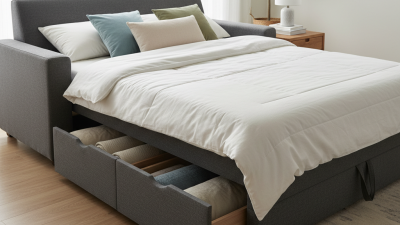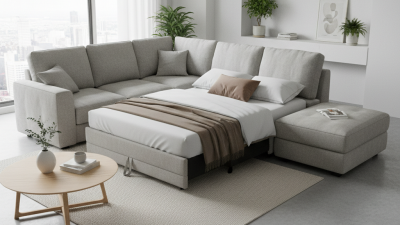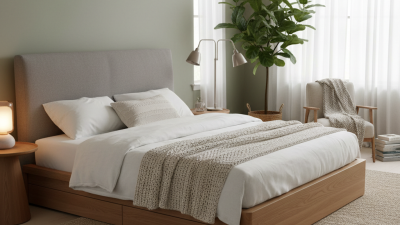
Choosing the best full size sleeper sofa requires more than comparing colors and sale prices. It combines seating comfort, sleeping support, room planning, and long-term durability. The wrong model may look elegant at noon but feel bulky, noisy, and uncomfortable at midnight.
Grand View Research valued the global furniture market at approximately $766.2 billion in 2023. Its report also projects continued growth through 2030, driven partly by smaller homes and flexible living spaces. Circana’s U.S. furniture research similarly highlights changing consumer priorities, including value, multifunctionality, and practical design. These findings matter because a full size sleeper sofa often serves as a daily couch and an occasional bed.
“Furniture is a fashion industry, and fashion changes,” furniture analyst Jerry Epperson has observed. His point remains useful here. A trendy boucle cover cannot compensate for a weak frame or a thin mattress. Check the sofa’s open-bed dimensions against your room. Leave walking space beside the frame. Measure doorways, elevators, and stair turns before ordering.
Pay close attention to the mattress type. Memory foam can reduce spring noise, while innerspring designs may offer a familiar bounce. Neither option guarantees comfort. The seat should support your hips without forcing your knees upward. The sleeping surface should feel stable, not hammock-like.
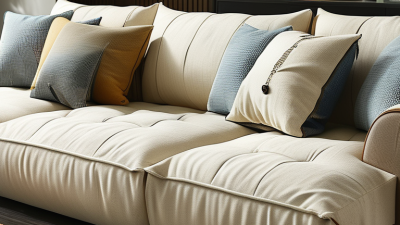
Details reveal quality.
This guide examines frame construction, mattress thickness, mechanism safety, upholstery performance, and everyday maintenance. It also considers imperfect realities, such as limited storage and occasional assembly problems. A beautiful sleeper sofa is not automatically the best one. Your room, guests, habits, and tolerance for compromise should decide the final choice.
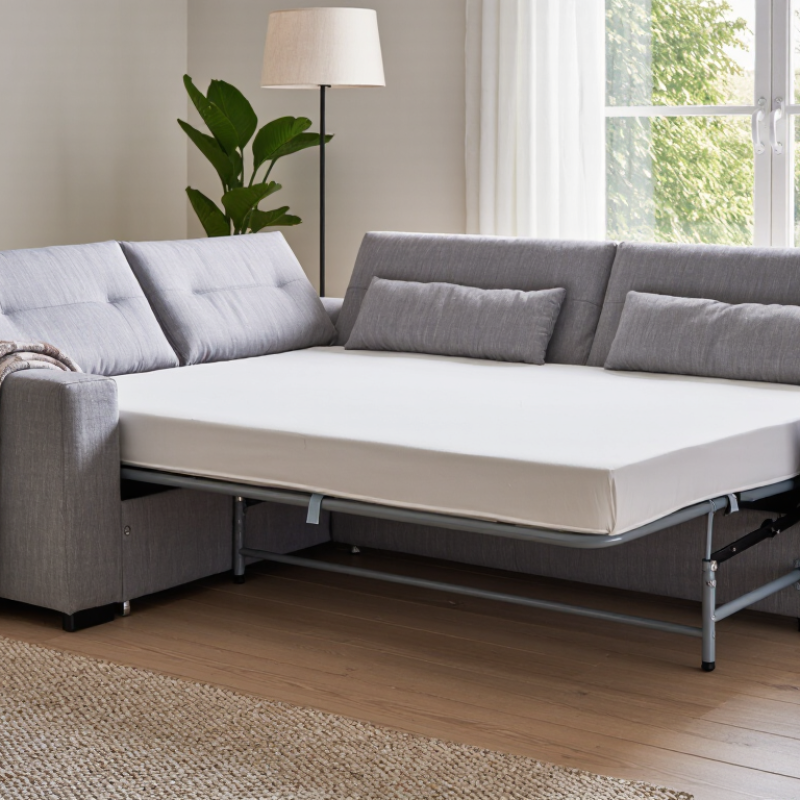
Start with the room, not the sofa. Measure the wall, doorway, hallway, and elevator before shopping. Record each measurement carefully. A full size sleeper sofa may fit the wall but fail at the entrance. Allow space for the bed mechanism, walking paths, and nearby tables. Keep at least 30 inches for comfortable passage when possible. Mark the sofa’s open footprint on the floor with painter’s tape. This simple test reveals awkward clearances quickly.
Study how people use the room during the day. A sofa facing the television needs different spacing than one dividing a living and dining area. Check window swings, vents, outlets, and radiator locations. Avoid blocking natural light or creating a narrow corner. In smaller rooms, a lower back and exposed legs can preserve visual space. I once underestimated the importance of arm width; several inches changed the entire layout.
Occasional guests may prefer a compact design with a supportive foam mattress. Frequent sleepers usually need stronger edge support, reliable cushioning, and a smooth opening system. Lie on the mattress for several minutes if a showroom allows it. Ask about weight limits, mattress thickness, cleaning instructions, and replacement parts. A sofa can look elegant yet feel disappointing after one night. Test the folded and open positions. Listen for rubbing or unstable movement. Comfort is personal, so measurements alone cannot make the final decision.
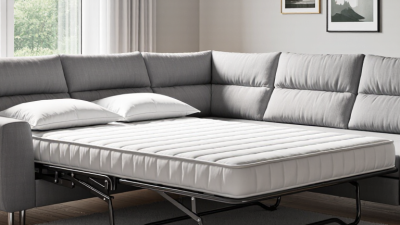
Choosing a full size sleeper sofa starts with honest measuring. A full mattress usually measures about 54 by 75 inches, but the open sofa needs extra clearance. Allow at least 30 inches for walking space. Measure doorways, stair turns, and elevator depth too. I learned this the hard way: the sofa fit the room, but its folded frame could not pass the hallway corner. Grand View Research estimates the global sofa-bed market will grow at roughly 5% annually through 2030, reflecting demand for flexible furniture in smaller homes.
Mattress construction strongly affects comfort. Innerspring mattresses offer airflow and familiar bounce, while memory foam reduces pressure around the shoulders and hips. Hybrid designs can balance support and ventilation, although they often increase weight. The Sleep Foundation advises checking mattress thickness, firmness, and sleeping posture together. A thick mattress is not automatically better. It may prevent the mechanism from closing smoothly. For regular overnight use, look for a mattress near five inches thick and test it for edge support.
Conversion mechanisms deserve equal attention. A pull-out frame provides a familiar flat sleeping surface, but it needs clearance behind the sofa. A click-clack back folds quickly and saves floor space, though its center hinge may feel firm. A lift-and-pull design can be easier to operate, especially in tight rooms. Ask for the full opened dimensions and the mechanism’s tested cycle rating. Furniture Industry Research Association guidance emphasizes durability testing, but ratings vary between manufacturers. That uncertainty matters. Sit, open, close, and inspect the hinges before buying.
Compare exterior dimensions, mattress proportions, mattress construction, and conversion mechanisms before making a purchase.
Dimensions: A typical full-size sleeper sofa is about 84 inches wide, 38 inches deep, and 36 inches high. Its sleeping surface is commonly around 54 inches wide and 72–75 inches long, although available length varies by design.
Mattress types: Innerspring mattresses provide familiar support and airflow, memory-foam mattresses reduce motion transfer, and hybrid mattresses combine foam comfort with spring support. Mattress thickness commonly ranges from approximately 4.5 to 6 inches in sleeper sofas.
Conversion mechanisms: Pull-out mechanisms provide a dedicated mattress but require clearance in front of the sofa. Click-clack designs fold the backrest flat and are usually simpler to operate. Front-opening mechanisms can offer easier access and reduced lifting when converting the sofa.
When choosing a full size sleeper sofa, inspect the frame before admiring the fabric. A kiln-dried hardwood frame usually resists warping better than thin composite panels. Check the corner joints: glued, screwed, and blocked connections feel more dependable than loose staples. FIRA’s domestic seating guidance uses durability testing of about 20,000 cycles, but showroom confidence can be misleading. Sit repeatedly, open the bed mechanism, and listen for creaking.
Cushion support deserves equal attention. Ask for the foam density and firmness, not vague phrases like “premium comfort.” The Polyurethane Foam Association explains that density measures durability, while indentation load deflection measures firmness; they are not interchangeable. A cushion may feel soft yet collapse quickly. Look for resilient seat foam, supportive webbing or springs, and a sleeper mattress that does not create a hard ridge beneath your back. I would test it for at least ten minutes. Short trials can hide pressure points.
Upholstery quality shows through details. Examine seams, zipper strength, underside fabric, and pattern alignment under bright light. The Association for Contract Textiles commonly uses 30,000 Wyzenbeek double rubs as a heavy-duty reference, though abrasion results do not predict every home’s lifespan. Pets, sunlight, and frequent sleeping can change the outcome. Performance labels help, but they are not proof. Ask about cleaning codes, colorfastness testing, and replacement parts. I once trusted a high abrasion number too much; the fabric survived, while the cushion lost its shape.
How to Choose the Best Full Size Sleeper Sofa?
Comfort should be tested in two positions. A full-size mattress usually measures 54 by 75 inches, according to the International Sleep Products Association. Lie down fully, not just sit briefly. Check whether your heels touch the frame. Feel for bars, hinges, or pressure points beneath the padding. The sleeper mechanism should open smoothly without scraping the floor. I once judged a sofa by its showroom cushion and regretted it later. Sofas can feel excellent for five minutes. Guests may use them for several nights.
Usability also includes storage and daily maintenance. Measure the doorway, stairway, and opened bed area before buying. Leave walking space around the extended frame. Lift the mattress section several times; awkward handles often reveal weak design. Choose removable covers when possible. ACT’s Upholstery Performance Guidelines commonly identify 15,000 double rubs for residential use and 30,000 for heavier traffic. These figures indicate abrasion resistance, not guaranteed lifespan. That distinction matters. The U.S. Environmental Protection Agency reports that indoor pollutant levels can sometimes reach two to five times outdoor levels. Air the sofa after delivery, vacuum beneath cushions, and follow cleaning codes carefully. A washable cover helps, but it is not magic. Check seams, zipper strength, and the space under the storage compartment every few months.
Price matters, but the lowest quote can hide expensive compromises. I once chose a sleeper sofa with a soft showroom seat, yet its mattress felt thin after one night. Compare the frame, cushion filling, mattress thickness, and weight capacity. A practical full size sleeper sofa should support daily sitting and occasional sleeping without feeling unstable. Check whether the listed price includes setup, old-furniture removal, taxes, and room delivery. These details can change the final cost considerably.
Tips: Measure doorways, stair turns, and the sleeping area before ordering. Ask for written warranty terms. Confirm who handles repairs, transport, and labor. A long warranty sounds valuable, but exclusions may cover nearly everything that wears out.
Delivery timing also affects long-term value. Some sofas arrive in separate packages, while others require scheduled room placement. Confirm the delivery window and inspect the fabric, hinges, legs, and mattress before signing. Photograph visible damage. Keep every document.
Warranty coverage often depends on proof of purchase and correct use. A solid frame may last years, but replaceable cushions and accessible mechanisms make ownership easier. I would not trust vague promises about durability. Ask how the sofa performed in real homes, not only in testing. A slightly higher price may be sensible if repairs, delivery, and comfort are clearly documented.