Top Queen Sleeper Sofa Buying Guide for Global Buyers?
Buying a sleeper sofa queen is not simply a matter of choosing the widest couch. Global buyers must consider sleeping comfort, room access, construction, fabric care, and delivery conditions. A beautiful sofa can fail if it cannot pass through a narrow elevator. It can also disappoint when its mattress feels thin after one night.
Interior designer Julie Khuu offers a practical reminder: “Measure the room, the doorway, and the life around the sofa.” That advice fits this category perfectly. A reliable sleeper sofa queen should open smoothly, support two adults, and remain comfortable during daily seating. Look for a stable frame, reinforced joints, and a mattress with enough depth for regular guests. Memory foam may reduce pressure points, while innerspring designs can provide firmer support. Neither option suits everyone.
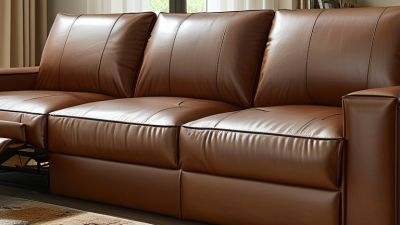
Fabric deserves equal attention. Performance upholstery helps in busy homes, but leather may behave differently across humid and dry climates. Buyers should check cleaning instructions before ordering. International customers also need clear information about packaging, customs, delivery damage, and return policies. These details are not exciting. They matter.
No model wins every room.
I still see buyers focus too heavily on appearance. That is an easy mistake. A low profile may look elegant, yet its sleeping surface can feel cramped. This guide compares practical features, comfort indicators, and purchasing risks. It is designed to help global buyers choose with evidence, not showroom excitement.

What Is a Queen Sleeper Sofa and Who Should Buy One?
A queen sleeper sofa is a sofa with a hidden bed mechanism and a queen-size sleeping surface. It serves as seating by day and a guest bed at night. Most models need about 80 inches of wall space, plus room to open the mattress fully. Measure doorways, stair turns, and the clearance beside nearby tables.
This sofa suits apartment owners, frequent hosts, and families needing flexible rooms. It can turn a study into an occasional guest room without adding a permanent bed. Couples should inspect the mattress width, support, and sleeping height before buying. A thin mattress may feel acceptable for one night, but uncomfortable during a week-long visit. Test the opening mechanism in a showroom, if possible. It should move smoothly without sharp edges or excessive force.
Choose a frame with firm joints and a stable sleeping platform. Check the fabric for easy cleaning, especially with children or pets. I once underestimated the importance of mattress ventilation. The sofa looked elegant, but it trapped heat during summer use. That mistake changed how I compare sleeper sofas. Comfort depends on more than appearance. Buyers should also ask about replacement mattress sizes, delivery access, and the return policy. A queen sleeper sofa is useful, but it is not automatically comfortable. matimba
How to Compare Mattress Types, Mechanisms, and Sleeping Comfort
Top Queen Sleeper Sofa Buying Guide for Global Buyers
A queen sleeper sofa should be tested as both furniture and a bed. Innerspring mattresses feel familiar and provide stronger edge support. Memory foam reduces pressure, but it may retain heat in warm rooms. Latex feels springier and usually allows easier movement. Hybrid designs combine coils and foam, though their added weight can increase delivery costs.
The mechanism affects comfort more than many buyers expect. A pull-out frame offers a flatter sleeping surface, but check whether the support bars can be felt. Click-clack mechanisms fold quickly and suit smaller rooms. However, their back angle may not suit side sleepers. Measure the open sofa, doorway width, lift access, and packaging dimensions before ordering. A perfect mattress is useless if it cannot enter the room.
Lie down for at least ten minutes, not thirty seconds. Test your usual sleeping position and notice pressure around your hips and shoulders. The mattress should support your lower back without creating a hard ridge. Look for reinforced joints, quiet movement, washable covers, and clear replacement-part information. Firmness labels are not universal, so compare actual specifications instead. One common mistake is choosing thick foam without checking ventilation. I have also found that a softer mattress can feel comfortable initially, then lack support overnight. Comfort remains personal, and even careful comparisons cannot remove every uncertainty.
Top Queen Sleeper Sofa Buying Guide for Global Buyers
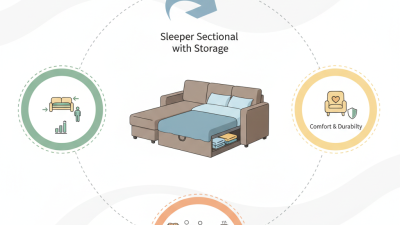
Comparing mattress types, conversion mechanisms, and sleeping comfort
The chart compares commonly specified mattress types for queen sleeper sofas. Comfort and space-efficiency scores use a general 1–5 buyer-oriented scale, where 5 is more favorable. Thickness values show common market specification ranges rather than a universal standard. Queen sleeper sofa mattresses normally use a 60 × 80 inch sleeping surface, while thicker mattresses generally improve cushioning but may require greater sofa-frame clearance and a more robust conversion mechanism.
Which Materials, Dimensions, and Features Matter Most?
Top Queen Sleeper Sofa Buying Guide for Global Buyers
A queen sleeper sofa should open to a 60-by-80-inch mattress, or about 152-by-203 centimeters. Measure the room, doorway, elevator, and turning space before ordering. Many buyers check only the closed sofa. That mistake can create an unusable bed. Allow at least 60 inches of open depth, plus walking clearance. Dimensions can vary slightly between manufacturers, so request a technical drawing.
Material choices affect comfort, durability, and maintenance. Kiln-dried hardwood frames usually resist warping better than softwood, while reinforced plywood can reduce weight. Look for high-resilience foam, sinuous springs, or pocketed coils in the seat and mattress. The 2024 Grand View Research Sofa Market report valued the global market at approximately 29 billion U.S. dollars in 2023, with continued growth expected through 2030. Growing demand does not guarantee quality. Inspect joints, stitching, mechanism movement, and mattress support in person when possible.
Features matter during daily use. A smooth opening mechanism, removable covers, washable fabric, and storage for bedding add practical value. Check fire-safety labeling for the destination country. Requirements differ across regions. Euromonitor International’s 2024 Home and Garden analysis highlights continuing consumer interest in flexible, space-saving furniture. Still, “space-saving” can hide a thin mattress or narrow sleeping surface. I have found that comfort testing for ten minutes is insufficient. Lie down longer, change positions, and check edge support. No checklist fits every body.
What to Check Before Ordering, Shipping, and Maintaining It?
Before ordering a queen sleeper sofa, measure the room, doorway, elevator, and stair turns. A queen size can vary by region, so request the exact open-bed dimensions. Check the mattress thickness, sleeping surface, frame material, and support system. Sit on the sofa and test the opening mechanism if possible. It should move smoothly without pinching fingers or scraping the floor. Do not trust attractive photos alone. Ask for fabric samples, load ratings, assembly instructions, and a written warranty.
Shipping requires more than choosing a delivery date. Confirm the packed dimensions, gross weight, crate protection, and moisture barrier. A sofa may fit the room but fail at the entrance. Ask whether delivery includes room placement, assembly, packaging removal, and inspection time. Photograph the carton before opening it. Record dents, tears, odors, and missing hardware immediately. Keep every document, including the invoice and care instructions. Import duties and local delivery charges may be separate, depending on the destination.
Maintenance starts with prevention. Vacuum under cushions weekly, and rotate removable cushions to reduce uneven wear. Blot spills quickly with a clean, slightly damp cloth. Test any cleaner on a hidden area first. Keep the mechanism free from toys, fabric, and dust. Tighten loose bolts carefully, but never force a stiff hinge. One detail I once underestimated was floor clearance; a thick rug blocked the bed frame. I also assumed all removable covers were washable, which was wrong. Check the care label before using water, heat, or strong chemicals.